Professional Plant-Based Certification

Show Full Syllabus
Unit 1: Orientation & Course Overview
View Tasks
Welcome to the Rouxbe Cooking School. Before you begin learning about how to cook and eat more plant-based foods, we want to be sure that you understand the course structure and how the learning platform works. We also want to explain what we expect of you as a student, and what you can expect from us. This introductory unit sets the stage for your learning.
Course Orientation
  • Task 1: Welcome to the Rouxbe Culinary School
  • Task 2: What to Expect in This Course
  • Task 3: How to Learn With Rouxbe
  • Task 4: Meet Your Instructors
  • Task 5: Why Plant-Based?
  • Task 6: Live Events | Here to Help!
Complementary Skills for Culinarians
  • Task 7: Teamwork & Operational Awareness
  • Task 8: The Basics of Being a Team Member
  • Task 9: Problem Solving and Judgment
  • Task 10: Proactive vs. Reactive Problem Solving
  • Task 11: Pride & Respect
  • Task 12: Professional Presence & Appearance
End of Unit 1
Unit 2: Basics of Smartphone Food Photography
View Tasks
The Basics
  • Task 13: Introduction to Smartphone Food Photography
  • Task 14: Setting Your Scene/Photo Mise en Place
  • Task 15: Composition
Smartphone Camera Lens
  • Task 16: Lens Basics
  • Task 17: Activity | Portrait Mode
Lighting
  • Task 18: Basic Lighting
  • Task 19: Activity | Lighting
Make Your Go-To Dish
  • Task 20: Things to Remember Before You Take The Shot
  • Task 21: Activity | Make Your Go-to Dish
End of Unit 2
Unit 3: Getting Set Up
View Tasks
This unit gets you ready to cook and set up for success. You'll learn about stocking your kitchen with the necessary ingredients and tools, as well as the basics of plant-based nutrition. You will also learn more about making plant-based choices and, ultimately, why it's important to be able to cook plants and build healthful, delicious meals.
Orientation
Unit Orientation
  • Task 22: Unit Orientation & Objectives
  • Task 23: What to Expect in this Unit
  • Task 24: Complete Your Self-Assessment
  • Task 25: Unit Pre-Assessment
Making Choices
  • Task 26: Making Choices | Introduction
  • Task 27: Whole & Nutrient-Dense Foods
  • Task 28: Activity | Select the Whole Foods
  • Task 29: Refined & Processed Foods
  • Task 30: Activity | Kale Sensory Assignment
Plant-Based Nutrition Overview
  • Task 31: Plant-Based Nutrition | Introduction
  • Task 32: Overview of Plant-Based Diets
  • Task 33: Debunking Myths | Part 1
  • Task 34: Debunking Myths | Part 2
  • Task 35: Protein
  • Task 36: Activity | Image Select: Protein
  • Task 37: Calcium
  • Task 38: Vitamin B12 & Good Fats
  • Task 39: Activity | Whole Food Fats
Reading Labels
  • Task 40: Identifying Ingredients | Introduction
  • Task 41: Identifying Ingredients
  • Task 42: Sugar by Another Name
  • Task 43: How Sugar & Fat Affect Your Body & Mind
  • Task 44: Additives & Preservatives
  • Task 45: Activity | Hidden Sugars
Resetting Your Refrigerator & Pantry
  • Task 46: Resetting Your Refrigerator & Pantry | Introduction
  • Task 47: Shopping Strategies
  • Task 48: Kitchen Cleanse
  • Task 49: Stocking Your Kitchen
  • Task 50: Activity | Kitchen Reset
Getting Started: Kitchen Tools & Equipment
  • Task 51: Kitchen Tools & Equipment | Introduction
  • Task 52: A Comprehensive Look at Kitchen Tools
  • Task 53: Additional Specialty Items for Plant-Based Cooking
  • Task 54: Mise En Place & Storing
Introducing the Map of Cooking
  • Task 55: Discover the Map of Cooking
  • Task 56: Applying the Map of Cooking
Kitchen Safety Basics
  • Task 57: Introduction to Kitchen Safety
  • Task 58: Types of Hazards
  • Task 59: Basic First Aid
Handwashing
  • Task 60: Introduction to Handwashing
  • Task 61: When to Wash Your Hands
  • Task 62: Proper Handwashing
  • Task 63: Practice
Review
Unit Review & Assessment
  • Task 64: Unit Review & Quiz Preparation
  • Task 65: Unit Quiz
End of Unit 3
Unit 4: Knives & Knife Cuts
View Tasks
This unit charts a path for you to become more comfortable and proficient with handling a knife. Here you will learn about knife selection, handling, safety and extensive technique around specific knife cuts.
Orientation
Unit Orientation
  • Task 66: Unit Orientation & Objectives
  • Task 67: What to Expect in this Unit
  • Task 68: Complete Your Self Assessment
  • Task 69: Unit Pre-Assessment
Selecting a Knife Set
  • Task 70: Selecting a Kitchen Knife Set
  • Task 71: Label the Parts of a Chef's Knife
Proper Knife Handling
  • Task 72: Handling a Chef's Knife
  • Task 73: Activity | Bench Scraper Practice
How to Cut with a Chef’s Knife
  • Task 74: How to Cut Using a Chef's Knife
  • Task 75: Activity | Label Knife Cuts
  • Task 76: Activity | Dicing Exercise
  • Task 77: Activity | Knife Cut Variations
Sharpening Your Knife
  • Task 78: Knife Sharpening with a Whetstone
Review
Unit Review & Assessment
  • Task 79: Unit Review & Quiz Preparation
  • Task 80: Unit Quiz
End of Unit 4
Unit 5: Flavor, Seasoning & Texture
View Tasks
This unit focuses on seasoning and flavor combinations. We'll discuss salt, fats, acids, sweeteners, and herbs and spices, and how to use them to create balanced, exciting flavor profiles within your recipes and menus. You will learn how to alter or manipulate textures in food to make them more palatable and attractive, and you'll get an introduction to using starches and stabilizers, emulsifiers and gelling ingredients.
Orientation
Unit Orientation
  • Task 81: Unit Orientation & Objectives
  • Task 82: What to Expect in this Unit
  • Task 83: Complete Your Self Assessment
  • Task 84: Unit Pre-Assessment
Basic Seasoning
  • Task 85: How to Season with Salt
  • Task 86: The Five Tastes
  • Task 87: Umami Practice Activity
Fats & Oils
  • Task 88: Fats & Oils | Introduction
  • Task 89: Using Oils for Cooking
  • Task 90: Choosing Oils
Acids: Vinegars, Alcohol & Citrus
  • Task 91: Acids: Vinegars, Alcohol & Citrus | Introduction
  • Task 92: Choosing & Using Acids | Vinegars
  • Task 93: Choosing & Using Acids | Citrus & Alcohol
  • Task 94: Activity | Acids
Sweeteners
  • Task 95: Sweeteners | Introduction
  • Task 96: Choosing & Using Sweeteners
  • Task 97: How to Make Fruit Pastes
Herbs & Spices
  • Task 98: How to Use & Cook with Herbs | Introduction
  • Task 99: Combining Herbs & Spices
  • Task 100: Grinding & Toasting Your Own Spices
  • Task 101: Lesson Practice Recipes
Thickeners, Gels & Stabilizers
  • Task 102: Thickeners, Gels & Stabilizers | Introduction
  • Task 103: Starches & Gums
  • Task 104: Gelling Agents
  • Task 105: Using Coconut Oil & Butter
  • Task 106: Advanced Technique Spotlight
  • Task 107: Activity| Agar Agar
Review
Unit Review & Assessment
  • Task 108: Black Box Assignment #1
  • Task 109: Unit Review & Quiz Preparation
  • Task 110: Unit Quiz
End of Unit 5
Unit 6: Basic Cooking Methods: Moist-Heat
View Tasks
This unit focuses on moist-heat cooking methods, such as steaming and submersion, simmering and boiling, and the importance of preserving vegetable pigments for health and presentation. It also addresses how to properly finish steamed vegetables for extra flavor and appeal.
Orientation
Unit Orientation
  • Task 111: Unit Orientation & Objectives
  • Task 112: What to Expect in this Unit
  • Task 113: Complete Your Self Assessment
  • Task 114: Unit Pre-Assessment
Steaming Vegetables
  • Task 115: Steaming Fundamentals
  • Task 116: Steaming Vegetables
  • Task 117: Finishing Steamed Vegetables
  • Task 118: Activity | Reorder: Steaming
Preserving Vegetable Pigments
  • Task 119: Preserving Vegetable Pigments
Cooking Vegetables in Water | Submersion
  • Task 120: Submersion Cooking Methods
  • Task 121: Cooking Vegetables in Water
  • Task 122: Activity | Blanching & Parboiling
  • Task 123: The Potato Experiment
  • Task 124: Lesson Practice Recipes
Review
Unit Review & Assessment
  • Task 125: Unit Review & Quiz Preparation
  • Task 126: Unit Quiz
End of Unit 6
Unit 7: Basic Cooking Methods: Dry-Heat
View Tasks
This unit introduces dry-heat cooking methods, as well as combination cooking methods. Your success in this course, and in the kitchen, will depend upon how well you learn, practice, and execute these essential cooking skills.
Orientation
Unit Orientation
  • Task 127: Unit Orientation & Objectives
  • Task 128: What to Expect in this Unit
  • Task 129: Complete Your Self Assessment
  • Task 130: Unit Pre-Assessment
Dry-Heat Cooking | How to Sweat
  • Task 131: Dry-Heat | How to Sweat
  • Task 132: Activity | Sweating for Flavor Development
  • Task 133: Caramelizing | The Maillard Reaction
Dry-Heat Cooking | How to Sauté
  • Task 134: Dry-Heat Cooking | How to Sauté
  • Task 135: Pan-Tossing
  • Task 136: Lesson Practice Recipes
Dry-Heat Cooking | Grilling
  • Task 137: Introduction to Grilling
  • Task 138: Grilling Plant-Based Ingredients
  • Task 139: Activity | Grilling
How to Stir-Fry
  • Task 140: How to Stir-Fry
  • Task 141: Activity | Reorder: Wok Seasoning
How to Roast Vegetables
  • Task 142: How to Roast Vegetables
  • Task 143: Activity | Reorder: Roasting Vegetables
  • Task 144: Activity | Roasting Vegetables
Combination Cooking Methods
  • Task 145: Combination Cooking Methods
  • Task 146: Plant-Based Combination Cooking Tips
  • Task 147: Lesson Practice Recipes
Review
Unit Review & Assessment
  • Task 148: Unit Review & Quiz Preparation
  • Task 149: Course Challenge Quiz
End of Unit 7
Unit 8: Intro to Culinary Wellness | Rouxbe Rx
View Tasks
In this unit you will explore condition specific overviews of dietary plans assembled in partnership with Rouxbe’s Medical and Wellness Advisory Board. You will be able to identify some of the key foods to include and avoid when eating for health concerns, and supportive cooking techniques to pair.
Orientation
Unit Orientation
  • Task 150: Unit Orientation & Objectives
  • Task 151: Introducing Our Medical & Wellness Advisory Board
  • Task 152: What to Expect in this Unit
  • Task 153: Complete Your Self-Assessment
  • Task 154: Unit Pre-Assessment
Health Supportive Culinary Methods
  • Task 155: Health Supportive Culinary Methods | Introduction
  • Task 156: Key Supportive Cooking Techniques
Cardiovascular Support
  • Task 157: Cardiovascular Support | Introduction
  • Task 158: Overview of Cardiovascular Health
  • Task 159: Foods That Help, Foods That Harm
  • Task 160: Lesson Practice Recipes for Cardiovascular Support
Diabetes Support
  • Task 161: Diabetes Support | Introduction
  • Task 162: Overview of Diabetes Health
  • Task 163: Foods That Help, Foods That Harm
  • Task 164: Lesson Practice Recipes for Diabetes Support
Gastrointestinal Support
  • Task 165: Gastrointestinal Support | Introduction
  • Task 166: Overview of Gastrointestinal Health
  • Task 167: Foods That Help, Foods That Harm
  • Task 168: Lesson Practice Recipes for Gastrointestinal Support
Autoimmune Support
  • Task 169: Immune Support | Introduction
  • Task 170: Overview of Immune System Health
  • Task 171: Foods That Help, Foods That Harm
  • Task 172: Lesson Practice Recipes for Autoimmune Support
Review
Unit Review & Assessment
  • Task 173: Activity | Hospital Menu Exercise
  • Task 174: Unit Review & Quiz Preparation
  • Task 175: Unit Quiz
End of Unit 8
Unit 9: Daily Meal Inspiration
View Tasks
This unit highlights how you can make plant-based choices all day, and all week, long. It focuses on recipes and techniques that you can use to build healthful and delicious breakfasts, lunches and dinners. It also discusses how to repurpose ingredients throughout the week to save both time and money.
Orientation
Unit Orientation
  • Task 176: Unit Orientation & Objectives
  • Task 177: What to Expect in this Unit
  • Task 178: Complete Your Self-Assessment
  • Task 179: Unit Pre-Assessment
What's for Breakfast?
  • Task 180: What's for Breakfast? | Introduction
  • Task 181: Building Smoothies
  • Task 182: Lesson Practice Recipes
  • Task 183: Breakfast Bowls
  • Task 184: Lesson Practice Recipes — Morning Grains
  • Task 185: Traditional Breakfasts, Transformed | Proteins
  • Task 186: Traditional Breakfasts, Transformed | Grains
What's for Lunch?
  • Task 187: What's for Lunch? | Introduction
  • Task 188: Salad Greens | Selecting & Preparing
  • Task 189: Activity | Grain & Bean Salads
  • Task 190: Meals in Bowls
What's for Dinner?
  • Task 191: What's for Dinner? | Introduction
  • Task 192: Building Veggie Burgers
  • Task 193: One-Pot Meals
  • Task 194: Activity: One Pot Meal Exercise
What's for Dessert?
  • Task 195: What's for Dessert? | Introduction
  • Task 196: Quick & Easy Chocolate Creams
  • Task 197: Lesson Practice Recipes — Dessert
Review
Unit Review & Assessment
  • Task 198: Unit Review & Quiz Preparation
  • Task 199: Unit Quiz
End of Unit 9
Unit 10: Plant-Based Staples
View Tasks
In this unit, you will explore everyday staples and foundational recipes to help you build plant-based menus. In this unit, you will learn how to adapt familiar foods, such as stocks, soups, dressings, dairy and meats, and make them plant-based. You will learn about methods, substitutions and products to help you make these adaptations.
Orientation
Unit Orientation
  • Task 200: Unit Orientation & Objectives
  • Task 201: What to Expect in this Unit
  • Task 202: Complete Your Self-Assessment
  • Task 203: Unit Pre-Assessment
Plant-Based Stocks
  • Task 204: Plant-Based Stocks | Introduction
  • Task 205: Vegetable Stock
  • Task 206: Dried & Fresh Bouillon
Soups
  • Task 207: Soups | Introduction
  • Task 208: Activity | Stock-Based Clear Soups
  • Task 209: Bean-Based Soups
  • Task 210: Tomato-Based Soups
  • Task 211: Starch-Based & Creamy Soups
  • Task 212: How to Blend Soups
  • Task 213: Activity | Reorder: Blending Soups
  • Task 214: Lesson Practice Recipes | Blending
  • Task 215: Garnishing Soups
Dressings, Vinaigrettes & Marinades
  • Task 216: Dressings, Vinaigrettes & Marinades | Introduction
  • Task 217: Salad Dressing & Vinaigrette Basics
  • Task 218: Choosing Quality Olive Oils
  • Task 219: Choosing Quality Balsamic Vinegars
  • Task 220: Lesson Practice Recipes
  • Task 221: Marinade Basics
Sauces
  • Task 222: Sauces | Introduction
  • Task 223: Red Sauce
  • Task 224: Activity | White Sauce
  • Task 225: Global Sauces
Condiments
  • Task 226: Condiments | Introduction
  • Task 227: Relishes, Salsas, Spreads & Chutneys
Review
Unit Review & Assessment
  • Task 228: Unit Review & Quiz Preparation
  • Task 229: Unit Quiz
End of Unit 10
Unit 11: Batch Cooking and Meal Planning
View Tasks
This unit introduces you to the concept of batch cooking and meal planning, which will help you be prepared to eat well and stock yourself up throughout the week to make menu planning more efficient, and set you up for success in the kitchen. Whole grains, legumes and rice cooking techniques and methods are the focus in these lessons.
Orientation
Unit Orientation
  • Task 230: Unit Orientation & Objectives
  • Task 231: What to Expect in this Unit
  • Task 232: Complete Your Self-Assessment
  • Task 233: Unit Pre-Assessment
Introduction to Batch Cooking
  • Task 234: Batch Cooking | Introduction
  • Task 235: Batch Cooking Fundamentals
  • Task 236: Preparing to Batch Cook
  • Task 237: Preparing Raw Ingredients In Advance
  • Task 238: Creating a Weekly Salad Bar
  • Task 239: Salad Bar Stir-Fry
  • Task 240: Stretching Your Ingredients | Introduction
Cooking Rice
  • Task 241: Rice Basics
  • Task 242: Activity | Label the Rice Diagram
  • Task 243: Cooking Rice | Steaming & Boiling Methods
  • Task 244: Cooking Rice | Pilaf Method
  • Task 245: Cooking Rice | Risotto Method
  • Task 246: Activity | How to Vary Risotto
Cooking Whole Grains
  • Task 247: How to Cook Whole Grains
  • Task 248: Activity | Label the Wheat Diagram
  • Task 249: Estimated Ratios & Cooking Times
  • Task 250: Grains & Food Safety
  • Task 251: Tips & Techniques For Grain Cookery
Cooking Dried Legumes
  • Task 252: How to Cook Dried Pulses
  • Task 253: Stretching Your Meals | Legumes
  • Task 254: Activity | Using Legumes
Pressure Cooking
  • Task 255: Introduction to Pressure Cooking
  • Task 256: What is Pressure Cooking?
  • Task 257: Cooking in a Pressure Cooker
  • Task 258: Pressure Cooker Safety
Review
Unit Review & Assessment
  • Task 259: Unit Review & Quiz Preparation
  • Task 260: Unit Quiz
End of Unit 11
Unit 12: Plant-Based Alternatives to Meat, Eggs & Dairy
View Tasks
This unit addresses plant-based alternatives to meat and dairy. It will introduce proteins such as tofu, tempeh and seitan, and dairy alternatives such as nut milks and cheeses.
Orientation
Unit Orientation
  • Task 261: Unit Orientation & Objectives
  • Task 262: What to Expect in this Unit
  • Task 263: Complete Your Self-Assessment
  • Task 264: Unit Pre-Assessment
Basic Plant-Based Proteins
  • Task 265: Plant-Based Proteins | Introduction
  • Task 266: Working with Tempeh
  • Task 267: Lesson Practice Recipes
  • Task 268: Working with Tofu
  • Task 269: Activity | Working with Tofu
  • Task 270: Working with Products on the Market
Meat Substitutes
  • Task 271: Meat Substitutes | Introduction
  • Task 272: Seitan | Introduction
  • Task 273: Making the Seitan
  • Task 274: Sausages
  • Task 275: Shredded Plants | Mushrooms and Jackfruit
  • Task 276: Falafel
  • Task 277: Fish Style Alternatives
  • Task 278: Activity | Make a Meat Substitute
Plant-Based Dairy & Egg Alternatives
  • Task 279: Plant-Based Dairy Alternatives | Introduction
  • Task 280: Converting Recipes to Be Dairy-Free
  • Task 281: Nut & Seed Milk
  • Task 282: Lesson Practice Recipes
  • Task 283: Sweet Creams
  • Task 284: Savory Creams
  • Task 285: Sour Cream & Aioli
  • Task 286: Cheese & Cheese Spreads
  • Task 287: Lesson Practice Recipes
  • Task 288: Egg Replacers
  • Task 289: Butter
  • Task 290: Working with Products on the Market
Review
Unit Review & Assessment
  • Task 291: Unit Review & Quiz Preparation
  • Task 292: Unit Quiz
End of Unit 12
Unit 13: Oil-Free & Low-Sodium Cooking
View Tasks
This unit demonstrates methods for cooking without oil or salt for particular dietary needs and preferences. It highlights how to use whole food fats instead of processed oils, and gives methods and tricks for how to reduce sodium by using other flavor builders and cooking techniques.
Orientation
Unit Orientation
  • Task 293: Unit Orientation & Objectives
  • Task 294: What to Expect in this Unit
  • Task 295: Complete Your Self-Assessment
  • Task 296: Unit Pre-Assessment
Using Whole Food Fats
  • Task 297: Whole Food Fats | Introduction
  • Task 298: How to Use Whole Food Fats
Reducing Sodium
  • Task 299: Reducing Sodium | Introduction
  • Task 300: Building Flavor without Using Salt
  • Task 301: Activity | Spice & Seed Blends
No-Oil Cooking Methods
  • Task 302: No-Oil Cooking Methods
  • Task 303: Activity | No-Oil Sautéing
  • Task 304: Activity | Reorder: No-Oil Sauté
  • Task 305: No-Oil Roasting
  • Task 306: No-Oil Braising
  • Task 307: Reducing & Concentrating
  • Task 308: Lesson Practice Recipes — Sauce Reductions
No-Oil Dressings & Marinades
  • Task 309: No-Oil Dressings and Marinades | Introduction
  • Task 310: Practice Building No-Oil Dressings & Marinades
  • Task 311: Activity | No-Oil Dressings & Marinades
Modern Base Sauces with No Oil & Salt
  • Task 312: Modern Base Sauces with No Oil & Salt
  • Task 313: No-Oil White Sauce | Cashew Béchamel
  • Task 314: No-Oil Pomodoro Sauce
  • Task 315: No-Oil Gravy
  • Task 316: Converting Recipes to No-Oil or No-Salt Versions
Review
Unit Review & Assessment
  • Task 317: Unit Review & Quiz Preparation
  • Task 318: Unit Quiz
End of Unit 13
Unit 14: Gluten-Free Cooking
View Tasks
Gluten is a family of proteins in wheat and other grains that can cause gastric distress and other complications in some individuals. This unit introduces you to ways of cooking and eating without gluten.
Orientation
Unit Orientation
  • Task 319: Unit Orientation & Objectives
  • Task 320: What to Expect in this Unit
  • Task 321: Complete Your Self Assessment
  • Task 322: Unit Pre-Assessment
Flours | Introduction
  • Task 323: Gluten-Free & Grain-Free
  • Task 324: Working with Gluten-Free Flours
  • Task 325: Working with No-Grain Flours
Gluten-Free Pastas
  • Task 326: Gluten-Free Pastas & Grains
  • Task 327: Selecting & Using Gluten-Free Grains
  • Task 328: Activity | Gluten-Free Grains
  • Task 329: Selecting & Using Gluten-Free Pastas
  • Task 330: Lesson Practice Recipes — Grains & Pasta
  • Task 331: Activity | Gluten-Free Challenge
Gluten-Free Baking Basics
  • Task 332: Basic Gluten-Free Baking
  • Task 333: Gluten-Free Baking Tips
  • Task 334: Lesson Practice Recipes — Desserts & Treats
Review
Unit Review & Assessment
  • Task 335: Unit Review & Quiz Preparation
  • Task 336: Course Challenge Quiz 2
End of Unit 14
Unit 15: Fermentation
View Tasks
Orientation
Introduction to Fermentation
  • Task 337: Unit Orientation & Objectives
  • Task 338: What to Expect in this Unit
  • Task 339: What is Fermentation
  • Task 340: Getting Set Up & Fermenting Safety
Cabbages
  • Task 341: Krauts & Kimchi
  • Task 342: Activity | Reorder: Making Kraut
Pickles
  • Task 343: Quick Pickles
  • Task 344: Activity | Pickling
Dips and Drinks
  • Task 345: Plant-Based Yogurt
  • Task 346: Kombucha
Review
Unit Review & Assessment
  • Task 347: Unit Review & Quiz Preparation
  • Task 348: Unit Quiz
End of Unit 15
Unit 16: No-Heat Cooking | Raw Gastronomy
View Tasks
This extensive unit introduces a full detailed overview of raw gastronomy, outlining the foundational technique, explanation and methodology behind creating therapeutic and comforting gourmet raw and living foods. This curriculum covers all the basics to more advanced approaches in preparing raw plant-based cuisine such as juicing, blending, germinating, sprouting, fermenting, marinating, culturing, and low heat cooking.
Orientation
Unit Orientation
  • Task 349: Unit Orientation & Objectives
  • Task 350: What to Expect in this Unit
  • Task 351: Complete Your Self Assessment
  • Task 352: Unit Pre-Assessment
The Raw Kitchen | Introduction
  • Task 353: The Raw Kitchen | Introduction
  • Task 354: Why Raw?
  • Task 355: Raw Equipment & Tools
  • Task 356: Raw Preparation
  • Task 357: Raw Preparation Methods
  • Task 358: More Advanced Technique with Supporting Equipment
  • Task 359: Activity | Raw & Living Foods
Juices & Concentrating
  • Task 360: Juicing | Introduction
  • Task 361: Using Vegetables for Juicing
  • Task 362: Lesson Practice Recipes | Juicing
  • Task 363: Other Uses for Juices
Showcasing Vegetables
  • Task 364: Showcasing Vegetables | Introduction
  • Task 365: Raw Noodles
  • Task 366: Marinating & Wilting
  • Task 367: Infusing & Compressing
Recipe Development & Base Recipes
  • Task 368: Recipe Development & Base Recipes | Introduction
  • Task 369: Equipment for Creating Raw Base Patés
  • Task 370: Base Recipes
  • Task 371: Creating Base Recipes | Chart
  • Task 372: Layering the Base
  • Task 373: Lesson Practice Recipes | Base Recipes
  • Task 374: Activity | Working With Base Recipes
Nutrient-Dense "Superfoods"
  • Task 375: "Superfoods": Nutrient-Dense Foods | Introduction
  • Task 376: Commonly Available "Superfoods"
  • Task 377: Less Common "Superfoods"
  • Task 378: Culinary Uses for "Superfoods"
  • Task 379: Lesson Practice Recipes | Superfoods
Germinating, Sprouting & Kitchen Gardening
  • Task 380: Sprouts | Introduction
  • Task 381: Sprout Basics
  • Task 382: Sprouting Equipment
  • Task 383: Kitchen Gardening & Growing Sprouts
  • Task 384: Germinating Nuts & Seeds
  • Task 385: Using Sprouts in Recipes
Dehydrating
  • Task 386: Dehydrating | Introduction
  • Task 387: Dehydrating Equipment
  • Task 388: Preserving Single Ingredients
  • Task 389: Snacks
  • Task 390: Crackers & Flatbreads
  • Task 391: Semi-Drying: Wraps & Crepes
  • Task 392: Warming & Concentrating
Culturing Nut Based "Cheese"
  • Task 393: Culturing Nut Based “Cheese” | Introduction
  • Task 394: Cultures
  • Task 395: Macadamia Cheese
  • Task 396: Cashew Cheese
  • Task 397: Pine Nut "Parmesan"
Raw Sauces & Condiments
  • Task 398: Raw Sauces & Condiments | Introduction
  • Task 399: Condiments
  • Task 400: Common Raw Sauces
Review
Unit Review & Assessment
  • Task 401: Black Box Assignment #2
  • Task 402: Unit Review & Quiz Preparation
  • Task 403: Unit Quiz
End of Unit 16
Unit 17: Plant-Based World of Flavors
View Tasks
In this unit, you will practice techniques and dishes with flavor profiles from around the world. You will have the opportunity to learn about specific plant-based foods and spices from regions that you find interesting and apply what you know about cooking techniques to create these international dishes.
Orientation
Unit Orientation
  • Task 404: Unit Orientation & Objectives
  • Task 405: What to Expect in this Unit
  • Task 406: Complete Your Self-Assessment
  • Task 407: Unit Pre-Assessment
India
  • Task 408: Introduction to Indian Cuisine
  • Task 409: Indian Recipes
Africa
  • Task 410: Introduction to African Cuisine
  • Task 411: African Recipes
China
  • Task 412: Introduction to Chinese Cuisine
  • Task 413: Chinese Recipes
  • Task 414: Making & Folding Dumplings Practice
Middle East
  • Task 415: Introduction to Middle Eastern Cuisine
  • Task 416: Middle Eastern Recipes
Mexico
  • Task 417: Introduction to Mexican Cuisine
  • Task 418: Mexican Recipes
Exploring & Applying Flavors
  • Task 419: Exploring & Applying Flavors| Introduction
  • Task 420: Activity | Flavors with Cauliflower ‘Steak’
  • Task 421: Activity | Flavors with Chickpeas, Tempeh, Lentils & Rice
Researching World Cuisines
  • Task 422: Researching Cuisines & Recipes | A Deeper Dive
  • Task 423: Narrowing Your Research Topic
  • Task 424: Finding & Selecting Resources
  • Task 425: Activity | Explore a New Cuisine
Review
Unit Review & Assessment
  • Task 426: Unit Review & Quiz Preparation
  • Task 427: Unit Quiz
End of Unit 17
Unit 18: Pasta & Noodles
View Tasks
In this unit, you will learn how to choose dried pastas, their standard cooking methods and the varieties on the market. You will also discover how to prepare and use of a number of fresh, from-scratch eggless pastas and Asian noodles.
Orientation
Unit Orientation
  • Task 428: Unit Orientation & Objectives
  • Task 429: What to Expect in this Unit
  • Task 430: Complete Your Self-Assessment
  • Task 431: Unit Pre-Assessment
How to Select Pasta
  • Task 432: How to Select Pasta
  • Task 433: Shopping Activity
How to Cook Pasta
  • Task 434: How to Cook Pasta
  • Task 435: Activity | Reorder: Cooking Pasta
  • Task 436: Pasta Cooking Comparison
  • Task 437: Cooking & Testing for Doneness Activity
  • Task 438: Cooking Pasta | Non-Wheat Based Varieties
How to Make Fresh Laminated Pasta | Egg & Dairy Free
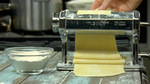
  • Task 439: How to Make Fresh Pasta | Eggless Laminated Pasta
  • Task 440: Fresh Pasta Dough
  • Task 441: Activity | Reorder: Making Fresh Pasta
  • Task 442: Hand-Cut Papardelle
Filled Pastas
  • Task 443: Filled Pastas | Introduction
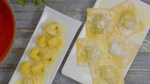
  • Task 444: Stuffed Pasta & Fillings
  • Task 445: Activity | Making Manicotti
Other Global Noodles
  • Task 446: Global Noodles | Introduction
  • Task 447: Gnocchi
  • Task 448: Spaetzle
  • Task 449: Activity | Udon Noodles
Review
Unit Review & Assessment
  • Task 450: Unit Review & Quiz Preparation
  • Task 451: Unit Quiz
End of Unit 18
Unit 19: How to Make Bread | Basics
View Tasks
Orientation
Unit Introduction
  • Task 452: Unit Orientation & Objectives
  • Task 453: Complete Your Self Assessment
  • Task 454: Unit Pre-Assessment
How to Make Bread | Basics
  • Task 455: Flour for Basic Bread Making
  • Task 456: Yeast & Bread Making
  • Task 457: Water & Salt in Bread Making
  • Task 458: Basic Bread Making Tools
  • Task 459: Preparing & Mixing the Dough Stage
  • Task 460: Kneading & Developing Dough Stage
  • Task 461: Fermenting Dough Stage
  • Task 462: Shaping & Proofing Dough Stages
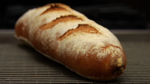
  • Task 463: Slashing & Baking Dough Stage
  • Task 464: Cooling & Storing Bread Stage
  • Task 465: How to Shape an Épi
  • Task 466: Practice Activities & Recipes
Review
Unit Review & Assessment
  • Task 467: Unit Review & Quiz Preparation
  • Task 468: Lesson Quiz
End of Unit 19
Unit 20: Desserts
View Tasks
Orientation
Unit Introduction
  • Task 469: Unit Orientation & Objectives
  • Task 470: What to Expect in this Unit
  • Task 471: Complete Your Self-Assessment
  • Task 472: Unit Pre-Assessment
Fruit as a Dessert
  • Task 473: Fruit in its Simplest Form | Introduction
  • Task 474: Frozen Fruit Pops (Ice Lollies)
  • Task 475: Fruit Sorbets & Ice Creams
  • Task 476: Chocolate Cherry Banana Nice Cream
  • Task 477: Baked Apple Roses
Raw Desserts
  • Task 478: Raw Desserts | Introduction
  • Task 479: Raw Cakes & Pies
  • Task 480: Accents, Sauces, Compotes
  • Task 481: Basics of Raw Chocolate
  • Task 482: Activity | Chocolate Ganache Torte
Cooked Desserts
  • Task 483: Cooked Desserts | Introduction
  • Task 484: Baked Desserts | Practice Activity
  • Task 485: Truffles
Review
Unit Review & Assessment
  • Task 486: Unit Review & Quiz Preparation
  • Task 487: Unit Quiz
End of Unit 20
Unit 21: Plant-Based Entertaining
View Tasks
This unit focuses on how to use the techniques and recipes you've learned in this course to create small bites and tasting menus. We'll share tips for creating plant-based canapés, shooters, skewers and spoons. You'll also learn how to properly plate, garnish and present dishes for maximum effect.
Orientation
Unit Orientation
  • Task 488: Unit Orientation & Objectives
  • Task 489: What to Expect in this Unit
  • Task 490: Complete Your Self Assessment
  • Task 491: Unit Pre-Assessment
Plating
  • Task 492: Plating | Introduction
  • Task 493: Your Canvas | The Plate
  • Task 494: Presentation Styles
  • Task 495: The Rule of Thirds | Odds and Evens
  • Task 496: Building Your Dish
  • Task 497: Activity | Plating a Plant Based Dish
Finishing the Dish | Garnishing
  • Task 498: Garnishing | Introduction
  • Task 499: Garnishing Basics
  • Task 500: Powders
  • Task 501: Infusions & Other Plate Accents
Small Bites
  • Task 502: Small Bites | Introduction
  • Task 503: Small Bites | Overview
  • Task 504: Canapés
  • Task 505: Lesson Practice Recipes | Canapés
  • Task 506: Shooters
  • Task 507: Skewers
  • Task 508: Spoons, Boats & Bites
  • Task 509: Activity | Canapés
Review
Unit Review & Assessment
  • Task 510: Activity | Canapé Party
  • Task 511: Unit Review & Quiz Preparation
  • Task 512: Unit Quiz
End of Unit 21
Unit 22: Course Assessment & Resource Library
View Tasks
This is where it all comes together. In this unit, you will be given your final assessment on the material that is covered in the preceding units.
Course Review & Final Assessment
  • Task 513: Survey | Share Your Course Feedback
  • Task 514: Your Final Exam Preparation
  • Task 515: Course Final Exam
  • Task 516: Get Your Plant-Based Pro Badge
  • Task 517: Books, Websites & Other References
End of Unit 22

Course Description

This course offers foundational instruction in plant-based culinary arts. With a focus on the application of core techniques in the plant-based kitchen, the experience will allow you to explore and practice a variety of recipes and flavors from around the world. The course begins with a quick set-up to get you started cooking right away including dry-heat cooking, moist-heat cooking, and grilling. A full introduction to core techniques for cooking vegetables, grains, bread, legumes, and meat and dairy alternatives is followed by a culinary world tour of plant-based foods and flavor principles. The course also covers advanced raw techniques, fermentation, and addresses health supportive cooking with no oil, low sodium, and gluten free options. A variety of Rouxbe Rx Wellness Menus that target specific health concerns will be offered, along with a variety of other professional resources and downloadable teaching materials.

Course Highlights

Course Objectives

  • Demonstrate knife handling and a variety of knife cuts
  • Outfit the plant-based kitchen with essential tools and equipment
  • Explain basic principles of food and kitchen safety
  • Identify and explain complementary and professional skills
  • Demonstrate culinary proficiency in foundational moist methods, such as steaming and simmering
  • Demonstrate culinary proficiency in foundational dry methods, such as roasting and sautéing
  • Practice advanced recipe development with plant-based cuisine
  • Plan and organize food production and apply principles of batch cooking
  • Understand principles of flavor balancing, building, layering and seasoning
  • Prepare a wide array of plant-based staple recipes for breakfast, lunch and dinner
  • Prepare plant-based proteins, such as tofu, tempeh and seitan and non-dairy substitutions
  • Build mother sauces, dressings, marinades, condiments and pickles
  • Understand flavor profile development including herb and spice combining
  • Explore and appreciate plant-based cuisines and foods around the world
  • Practice cooking for specific dietary restrictions, special diets and wellness-centered cuisine
  • Understand gluten free ingredients, cooking technique and recipe development
  • Entertain and plan meals with attention to plating and presentation
  • Explain the importance of whole, minimally processed and nutrient dense foods in a plant-based diet

Professional Cook Certification

Show Full Syllabus
Unit 1: Professional Cook Certification Overview
View Tasks
This unit provides an overview and orientation to this Professional Cook Certification Course. It sets expectations and provides instructions for how to use the course platform to progress through activities and assessments.
Orientation
Course Orientation
  • Task 1: Introduction
  • Task 2: Course Orientation and Objectives
  • Task 3: How to Learn with Rouxbe
  • Task 4: Live Events | Join Us
  • Task 5: What We Expect from You
  • Task 6: What You Can Expect From Rouxbe
  • Task 7: The Map of Cooking & Cooking Methods Wheel
Getting Started: Kitchen Tools & Equipment
  • Task 8: Kitchen Tools & Equipment | Introduction
  • Task 9: A Comprehensive Look at Kitchen Tools
  • Task 10: Mise en Place & Storing
Complementary Skills for Culinarians
  • Task 11: Teamwork and Operational Awareness
  • Task 12: The Basics of Being a Team Member
  • Task 13: Problem Solving and Judgment
  • Task 14: Proactive vs Reactive Problem Solving
  • Task 15: Pride and Respect
  • Task 16: Professional Presence and Appearance
End of Unit 1
Unit 2: Basics of Smartphone Food Photography
View Tasks
The Basics
  • Task 17: Introduction to Smartphone Food Photography
  • Task 18: Setting Your Scene/Photo Mise en Place
  • Task 19: Composition
Smartphone Camera Lens
  • Task 20: Lens Basics
  • Task 21: Activity | Portrait Mode
Lighting
  • Task 22: Basic Lighting
  • Task 23: Activity | Lighting
Make Your Go-To Dish
  • Task 24: Things to Remember Before You Take The Shot
  • Task 25: Activity | Make Your Go-to Dish
End of Unit 2
Unit 3: Food & Kitchen Safety
View Tasks
Foodborne illness can be an issue both inside and outside of the home, regardless of how well we think we know our food supply chain. Symptoms can range from an upset stomach to nausea, diarrhea or vomiting. In this unit, you'll learn techniques and habits to keep your loved ones happy and healthy.
Orientation
Unit Orientation
  • Task 26: Unit Orientation & Objectives
  • Task 27: Complete Your Self Assessment
  • Task 28: Unit Pre-Assessment
Introduction to Food Safety
  • Task 29: Introduction to Food Safety
  • Task 30: Causes of Foodborne Illness
  • Task 31: Types of Pathogens
  • Task 32: Keys to Food Safety
Handwashing
  • Task 33: Introduction to Handwashing
  • Task 34: When to Wash Your Hands
  • Task 35: Proper Handwashing
  • Task 36: Practice
Buying & Storing Food
  • Task 37: Buying Food Safely
  • Task 38: Potentially Hazardous Foods
  • Task 39: Buying Food Safely
  • Task 40: Storing Food Safely
  • Task 41: Storing Food in the Refrigerator
  • Task 42: Quiz: Storing Food in the Refrigerator
  • Task 43: More Refrigerator Tips
  • Task 44: Storing Food in the Freezer
  • Task 45: Storing Dry Goods
  • Task 46: Storing Leftovers
Preparing Food
  • Task 47: Preparing Food Safely
  • Task 48: Cross-Contamination
  • Task 49: The Danger Zone
  • Task 50: Cooking Food Thoroughly
  • Task 51: Using Thermometers
Cleaning Up
  • Task 52: Cleaning for Food Safety
  • Task 53: When to Clean
  • Task 54: Cleaning Counters & Cutting Boards
Kitchen Safety Basics
  • Task 55: Introduction to Kitchen Safety
  • Task 56: Types of Hazards
  • Task 57: Basic First Aid
Review
Unit Review & Assessment
  • Task 58: Unit Review & Quiz Preparation
  • Task 59: Unit Quiz
End of Unit 3
Unit 4: Knives, Knife Cuts & Knife Sharpening
View Tasks
This unit charts a path for you to become more comfortable and proficient with handling a knife. Since a knife is the most important tool in the kitchen, we offer guidance on how to select and care for your knives while giving you ample opportunity to practice your skills.
Orientation
Unit Orientation
  • Task 60: Unit Orientation & Objectives
  • Task 61: Complete Your Self Assessment
  • Task 62: Unit Pre-Assessment
Selecting a Knife Set
  • Task 63: Selecting a Kitchen Knife Set
  • Task 64: Label the Parts of Chef's Knife
Proper Knife Handling
  • Task 65: Handling a Chef's Knife
  • Task 66: The Bench Scraper Practice Activity
  • Task 67: Hone Your Knife Practice
  • Task 68: Cut 10 Feet of Celery
How to Cut with a Chef’s Knife
  • Task 69: How to Cut Using a Chef's Knife
  • Task 70: Activity | Dicing Ingredients Practice
  • Task 71: Make Minestrone Soup
  • Task 72: Activity | Label Knife Cuts
  • Task 73: Activity | Demonstrate Your Knife Cuts
Sharpening Your Knife
  • Task 74: Knife Sharpening with a Whetstone
Review
Unit Review & Assessment
  • Task 75: Unit Review & Quiz Preparation
  • Task 76: Unit Quiz
End of Unit 4
Unit 5: Salads & Dressings
View Tasks
Fresh and crisp salad greens are a healthy and refreshing part of a balanced diet. By using a variety of greens, salads will not only look visually stunning, but they will taste great. In this unit, you will learn how to choose and identify an assortment of salad greens. You will learn how to clean and refresh greens and how to dry and store them. You will also learn how to properly dress and toss a salad and how to combine greens in order to compose different salads with a variety of vinaigrettes.
Orientation
Unit Orientation
  • Task 77: Unit Orientation & Objectives
  • Task 78: Complete Your Self Assessment
  • Task 79: Unit Pre-Assessment
Salad Greens | Selecting & Preparing
  • Task 80: Salad Greens | Selecting & Preparing
  • Task 81: Quality Olive Oils for Salads
  • Task 82: How to Choose Quality Balsamic Vinegar
  • Task 83: Lesson Practice Recipes
Salad Dressing & Vinaigrette
  • Task 84: Salad Dressing & Vinaigrette
  • Task 85: How to Prepare Dressings & Vinaigrettes
  • Task 86: Expanding Your Vinaigrette Repertoire
  • Task 87: Activity | Simple Salad & Vinaigrette
  • Task 88: Lesson Practice Recipes
Review
Unit Review & Assessment
  • Task 89: Unit Review & Quiz Preparation
  • Task 90: Unit Quiz
End of Unit 5
Unit 6: Plating
View Tasks
Excellent, consistent, and quick plating takes just a bit of forethought, practice and skill. In this unit, you will identify the anatomy of a plate, look at plate design, know how to set up your workstation in order to efficiently plate, sauce and garnish and how to inspect a finished plate before serving it to a diner.
Orientation
Unit Orientation
  • Task 91: Unit Orientation & Objectives
  • Task 92: Complete Your Self Assessment
  • Task 93: Unit Pre-Assessment
The Basics of Plating
  • Task 94: Your Canvas | The Plate
  • Task 95: Presentation Styles
  • Task 96: The Rule of Thirds | Odds and Evens
  • Task 97: Building Your Dish
  • Task 98: Activity | Plating a Dish
Review
Unit Review & Assessment
  • Task 99: Unit Review & Quiz Preparation
  • Task 100: Unit Quiz
End of Unit 6
Unit 7: Dry-Heat Cooking Methods
View Tasks
This unit focuses on dry-heat cooking methods. It will introduce some foundational information on how to heat a pan so you can properly pan fry food. In this unit, you will learn the few key indicators to look for when pan-frying along with some simple yet effective cooking methods that will enable you to master the art of pan frying. This unit will introduce the concepts of sweating, sautéing, bread and battering and the stir-fry technique.
Orientation
Unit Orientation
  • Task 101: Unit Orientation & Objectives
  • Task 102: Complete Your Self Assessment
  • Task 103: Unit Pre-Assessment
How to Pan Fry
  • Task 104: Pan Frying
  • Task 105: Perform the Water Test
  • Task 106: Pan-Frying Challenge Questions
  • Task 107: Pan-Fry Chicken Breast Medallions
  • Task 108: Pan-Frying Thick vs. Thin Ingredients
  • Task 109: Activity | Pan-Frying
  • Task 110: Lesson Practice Recipes
Pan Tossing
  • Task 111: Pan-Tossing
  • Task 112: Lesson Practice Recipes
  • Task 113: Practice Exercises for Pan-Tossing
How to Sweat Ingredients
  • Task 114: How to Sweat Ingredients
  • Task 115: Activity | Sweating for Flavor Development
  • Task 116: Make a Tomato Sauce
  • Task 117: Lesson Practice Recipes
How to Sauté
  • Task 118: How to Sauté
  • Task 119: Hash Browns
  • Task 120: Activity | Sautéing
  • Task 121: Lesson Practice Recipes
Dry-Heat Cooking | Grilling
  • Task 122: Introduction to Grilling
  • Task 123: Grilling Plant-Based Ingredients
  • Task 124: Activity | Grilling
Searing
  • Task 125: Searing
  • Task 126: Lesson Practice Recipes
How to Bread & Batter Foods
  • Task 127: How to Bread & Batter Foods
  • Task 128: Lesson Practice Recipes
How to Shallow Fry & Deep Fry
  • Task 129: How to Shallow Fry & Deep Fry
  • Task 130: Lesson Practice Recipes
Introduction to Stir-Frying
  • Task 131: Introduction to Stir-Frying
How to Stir-Fry
  • Task 132: How to Stir-Fry
  • Task 133: Lesson Practice Recipes
Review
Unit Review & Assessment
  • Task 134: Unit Review & Quiz Preparation
  • Task 135: Unit Quiz
End of Unit 7
Unit 8: Moist-Heat Cooking Methods
View Tasks
This unit focuses on moist-heat cooking methods. Using submersion methods, you will learn about and then practice braising, poaching, steaming, stewing and simmering. Moist methods provide a learning platform through which to create a variety of delicious dishes that all use the power of hot liquid or steam for their preparation.
Orientation
Unit Orientation
  • Task 136: Unit Orientation & Objectives
  • Task 137: Complete Your Self Assessment
  • Task 138: Unit Pre-Assessment
Submersion Cooking Methods
  • Task 139: Submersion Cooking Methods
  • Task 140: Submersion Activity
  • Task 141: Make Vegetable or Court Bouillon
  • Task 142: Lesson Practice Recipes
Combination Cooking Fundamentals
  • Task 143: Combination Cooking Fundamentals
  • Task 144: Lesson Practice Recipes
Braising | Combination Cooking
  • Task 145: Braising | Combination Cooking
  • Task 146: Braised Onions
  • Task 147: Lesson Practice Recipes
Stewing | Combination Cooking
  • Task 148: Stewing | Combination Cooking
  • Task 149: Reorder Activity: Stewing Steps
  • Task 150: Lesson Practice Recipes
Pot Roasting | Combination Cooking
  • Task 151: Pot-Roasting | Combination Cooking
  • Task 152: Lesson Practice Recipes
Steaming | Introduction
  • Task 153: Steaming Introduction
  • Task 154: Question Reveal Activity
Steaming | Basics
  • Task 155: Steaming Basics
  • Task 156: Steam Marinated Chicken
  • Task 157: Image Select Activity
  • Task 158: Lesson Practice Recipes
Pressure Cooking
  • Task 159: Introduction to Pressure Cooking
  • Task 160: What is Pressure Cooking?
  • Task 161: Cooking in a Pressure Cooker
  • Task 162: Pressure Cooker Safety
Review
Unit Review & Assessment
  • Task 163: Unit Review & Quiz Preparation
  • Task 164: Unit Quiz
End of Unit 8
Unit 9: Vegetables
View Tasks
In this unit, you will be introduced to the fundamentals of vegetable preparation. Focus is given to preserving vegetable pigments, blanching, par-boiling, steaming and roasting a variety of fresh vegetables.
Orientation
Unit Orientation
  • Task 165: Unit Orientation & Objectives
  • Task 166: Complete Your Self Assessment
  • Task 167: Unit Pre-Assessment
Preserving Vegetable Pigments
  • Task 168: Preserving Vegetable Pigments
  • Task 169: Green Beans with Cambazola & Pinenuts
  • Task 170: Lesson Practice Recipes
Cooking Vegetables in Water
  • Task 171: Cooking Vegetables in Water
  • Task 172: Understanding Cooking Times
  • Task 173: Activity | Blanching, Parboiling & Fully Cooking
  • Task 174: The Potato Experiment
  • Task 175: Lesson Practice Recipes
Steaming Vegetables
  • Task 176: Steaming Vegetables
  • Task 177: Steamed Potatoes, Three Ways
  • Task 178: Finishing Steamed Vegetables
  • Task 179: Preparing & Reheating with Steam
  • Task 180: Make Steamed Mashed Potatoes
  • Task 181: Lesson Practice Recipes
How to Roast Vegetables
  • Task 182: How to Roast Vegetables
  • Task 183: Roasted Eggplant
  • Task 184: Roasted Cauliflower
  • Task 185: Estimated Roasting Times for Vegetables
  • Task 186: Activity | Roasting Vegetables Practice
  • Task 187: Lesson Practice Recipes
How to Purée Vegetables
  • Task 188: Intro to How to Purée Vegetables
  • Task 189: What are Puréed Vegetables?
  • Task 190: Vegetable Purées | Components
  • Task 191: How to Purée Vegetables
  • Task 192: Holding and Serving
  • Task 193: Lesson Practice Recipes
Review
Unit Review & Assessment
  • Task 194: Unit Review & Quiz Preparation
  • Task 195: Unit Quiz
End of Unit 9
Unit 10: Eggs
View Tasks
In this unit, you will learn about the anatomy of an egg, about the techniques of boiling, scrambling, frying, basting, and poaching, and you will learn the secrets of delicious fluffy omelets and frittatas.
Orientation
Unit Orientation
  • Task 196: Unit Orientation & Objectives
  • Task 197: Complete Your Self Assessment
  • Task 198: Unit Pre-Assessment
Eggs | Anatomy, Boiling & Scrambling
  • Task 199: Eggs | Anatomy, Boiling & Scrambling
  • Task 200: Egg Schematic Test
  • Task 201: Lesson Practice Recipes
Eggs | Frying, Basting & Poaching
  • Task 202: Eggs | Frying, Basting & Poaching
  • Task 203: Activity | Poach an Egg
  • Task 204: Lesson Practice Recipes
How to Make an Omelet
  • Task 205: How to Make an Omelet
  • Task 206: Activity | Make an Omelet
  • Task 207: Lesson Practice Recipes
How to Make a Frittata
  • Task 208: How to Make a Frittata
  • Task 209: Lesson Practice Recipes
How to Steam Eggs
  • Task 210: How to Steam Eggs
  • Task 211: Lesson Practice Recipes
Review
Unit Review & Assessment
  • Task 212: Unit Review & Quiz Preparation
  • Task 213: Unit Quiz
End of Unit 10
Unit 11: How to Make Stock
View Tasks
In this unit you will learn to prepare the most common types of stocks. Rouxbe will cover the preparation of dark stock, short stock, broths, chicken, veal, beef and vegetable stocks.
Orientation
Unit Orientation
  • Task 214: Unit Orientation & Objectives
  • Task 215: Complete Your Self-Assessment
  • Task 216: Unit Pre-Assessment
How to Make Stock | Fundamentals
  • Task 217: How to Make Stock | Fundamentals
  • Task 218: Activity | Prepare Stock
  • Task 219: Lesson Practice Recipes
How to Make Dark Stock
  • Task 220: How to Make Dark Stock
  • Task 221: Lesson Practice Recipes
How to Make Short Stock
  • Task 222: How to Make Short Stock
  • Task 223: Lesson Practice Recipes
How to Make Broth
  • Task 224: How to Make Broth
  • Task 225: Lesson Practice Recipes
How to Make Veal Stock, Beef Stock & Fish Stock
  • Task 226: How to Make Veal Stock, Beef Stock & Fish Stock
  • Task 227: Lesson Practice Recipes
  • Task 228: Reorder Activity & Rouxbe-Graded Submission
Plant-Based Stocks
  • Task 229: Plant-Based Stocks | Introduction
  • Task 230: Vegetable Stock
  • Task 231: Dried & Fresh Bouillon
Review
Unit Review & Assessment
  • Task 232: Unit Review & Quiz Preparation
  • Task 233: Unit Quiz
End of Unit 11
Unit 12: How to Make Soup
View Tasks
In this unit, you will be introduced to the four basic soup bases in this unit- broth-based clear, stock-based clear, roux-based, and starch-based.
Orientation
Unit Orientation
  • Task 234: Unit Orientation & Objectives
  • Task 235: Complete Your Self Assessment
  • Task 236: Unit Pre-Assessment
How to Make Broth-Based Clear Soup
  • Task 237: How to Make Broth-Based Clear Soup
  • Task 238: Lesson Practice Recipes
How to Make Stock-Based Clear Soup
  • Task 239: How to Make Stock-Based Clear Soup
  • Task 240: Activity | Stock-Based Clear Soups
  • Task 241: Lesson Practice Recipes
How to Make Roux-Based Soup
  • Task 242: How to Make Roux-Thickened Soup
  • Task 243: Lesson Practice Recipes
How to Make Starch-Based Thick Soup
  • Task 244: How to Make Starch-Based Thick Soup
  • Task 245: Activity | Starch-Based Thick Soup
  • Task 246: Lesson Practice Recipes
How to Make Consommé
  • Task 247: Introduction to Consommé
  • Task 248: Consommé | Clarification Components
  • Task 249: Consommé | Getting Started
  • Task 250: Consommé | Cooking the Raft
  • Task 251: Consommé | Finishing Steps
Review
Unit Review & Assessment
  • Task 252: Unit Review & Quiz Preparation
  • Task 253: Unit Quiz
End of Unit 12
Unit 13: Course Challenge Quiz
View Tasks
This quiz will assess a student's knowledge on all material covered up until this point in the course. Good luck.
Course Challenge
  • Task 254: Black Box Assignment #1
  • Task 255: Course Review & Challenge Quiz Preparation
  • Task 256: Course Challenge Quiz #1
End of Unit 13
Unit 14: Nutrition In The Kitchen
View Tasks
This unit allows the cook to begin to build a nutritional foundation that will help shape decisions related to personal health and our food supply, and shed light on various dietary restrictions that could influence cooking.
Orientation
Unit Orientation
  • Task 257: Unit Orientation & Objectives
  • Task 258: Complete Your Self Assessment
  • Task 259: Unit Pre-Assessment
Basic Nutrition
  • Task 260: Our Functional Foods Approach
  • Task 261: Daily Nutrient Requirements Wheel
  • Task 262: Macronutrients
  • Task 263: Micronutrients
Diets and Dietary Restrictions
  • Task 264: Understanding Ways of Eating
  • Task 265: Different Ways of Eating By Choice
  • Task 266: Allergies & Common Dietary Restrictions
  • Task 267: Activity | Dietary Restrictions
Basics of Cooking for Health Support
  • Task 268: Cooking as Health Support
  • Task 269: The Cook as Health Ambassador
  • Task 270: Basics of Health Supportive Cooking
Review
Unit Review & Assessment
  • Task 271: Unit Review & Quiz Preparation
  • Task 272: Unit Quiz
End of Unit 14
Unit 15: Seasoning
View Tasks
This unit introduces the cook to the techniques of correct and balanced seasoning. Brining, salting, cooking with herbs and marinating will be the main focus as you learn to build deep, delicious flavor in your dishes.
Orientation
Unit Orientation
  • Task 273: Unit Orientation & Objectives
  • Task 274: Complete Your Self Assessment
  • Task 275: Unit Pre-Assessment
Basic Seasoning
  • Task 276: How to Season with Salt
  • Task 277: Shopping Activity
  • Task 278: Lesson Practice Recipes
How to Brine
  • Task 279: How to Brine
  • Task 280: Lesson Practice Recipes
How to Use and Cook with Herbs
  • Task 281: How to Use and Cook with Herbs
  • Task 282: Lesson Practice Recipes
Marinades
  • Task 283: How to Marinate Foods
  • Task 284: Lesson Practice Recipes
Fats & Oils
  • Task 285: Fats & Oils | Introduction
  • Task 286: Using Fats
  • Task 287: Choosing Fats
Acids: Vinegars, Alcohol & Citrus
  • Task 288: Acids: Vinegar, Alcohol & Citrus | Introduction
  • Task 289: Choosing & Using Acids | Vinegar
  • Task 290: Choosing & Using Acids | Citrus & Alcohol
Review
Unit Review & Assessment
  • Task 291: Unit Review & Quiz Preparation
  • Task 292: Unit Quiz
End of Unit 15
Unit 16: Sauces
View Tasks
In this unit, you will learn how to create a classic roux, béchamel and veloute sauce. After learning these basic sauces, you will be able to expand the range of dishes that you can prepare. This unit will give you the opportunity to create delicious savory sauces such as classic tomato, pan sauces, butter based sauces and hollandaise.
Orientation
Unit Orientation
  • Task 293: Unit Orientation & Objectives
  • Task 294: Complete Your Self Assessment
  • Task 295: Unit Pre-Assessment
How to Make Roux
  • Task 296: How to Make Roux
  • Task 297: Lesson Practice Recipes
How to Make Béchamel Sauce
  • Task 298: How to Make Béchamel Sauce
  • Task 299: Lesson Practice Recipes
How to Make Velouté Sauce
  • Task 300: How to Make Velouté
  • Task 301: Lesson Practice Recipes
  • Task 302: Activity | Make a Velouté
How to Make Tomato Sauce
  • Task 303: How to Make Tomato Sauce
  • Task 304: Lesson Practice Recipes
How to Make a Butter Sauce
  • Task 305: How to Make a Butter Sauce
  • Task 306: Lesson Practice Recipes
How to Make Hollandaise Sauce
  • Task 307: How to Make Hollandaise Sauce
  • Task 308: Lesson Practice Recipes
How to Make Demi-Glace
  • Task 309: Intro to Demi-Glace & Derivative Sauces
  • Task 310: What is Demi-Glace?
  • Task 311: How to Make Demi-Glace
  • Task 312: Sauce Espagnole
  • Task 313: Varying Brown Sauces
  • Task 314: Serving Demi-Glace Based Sauces
  • Task 315: Lesson Practice Recipes
How to Make Pan Sauce
  • Task 316: How to Make Pan Sauce
  • Task 317: Lesson Practice Recipes
Plant-Based Sauces
  • Task 318: Plant-Based Sauces | Introduction
  • Task 319: Red Sauce
  • Task 320: Activity | Make Plant-Based White Sauce
  • Task 321: Global Sauces
Condiments & Quick Pickles
  • Task 322: Condiments | Introduction
  • Task 323: Quick Pickles
  • Task 324: Relishes, Salsas, Spreads & Chutneys
Review
Unit Review & Assessment
  • Task 325: Unit Review & Quiz Preparation
  • Task 326: Unit Quiz
End of Unit 16
Unit 17: Rice & Grains
View Tasks
In this unit, you will learn about how to prepare rice by steaming and boiling and how to make a pilaf and a risotto. You will also be introduced to the concepts of cooking grains, and how to prepare polenta.
Orientation
Unit Orientation
  • Task 327: Unit Orientation & Objectives
  • Task 328: Complete Your Self Assessment
  • Task 329: Unit Pre-Assessment
Rice Basics
  • Task 330: Rice Basics
  • Task 331: Shopping Activity
  • Task 332: Lesson Practice Recipes
Cooking Rice | Steaming & Boiling Methods
  • Task 333: Cooking Rice
  • Task 334: Make Steamed Rice | Plain
  • Task 335: Make Steamed Rice | Infused
  • Task 336: Make Brown Rice Using a Flavorful Stock
Cooking Rice | Pilaf Method
  • Task 337: Cooking Rice | Pilaf Method
  • Task 338: Varying & Enhancing a Basic Pilaf
  • Task 339: Make This Delicious Pilaf with Lentils
The Risotto Method & Varying Risotto
  • Task 340: The Risotto Method
  • Task 341: Lesson Practice Recipes
  • Task 342: How to Vary Risotto
  • Task 343: Activity | How to Vary Risotto
How to Cook Grains
  • Task 344: How to Cook Grains
  • Task 345: Shopping Activity
  • Task 346: Cooking Grains Activity
  • Task 347: Lesson Practice Recipes
  • Task 348: Activity | Label the Wheat Diagram
  • Task 349: Estimated Ratios & Cooking Times
  • Task 350: Grains & Food Safety
  • Task 351: Tips & Techniques For Grain Cookery
How to Make Polenta
  • Task 352: How to Make Polenta
  • Task 353: Lesson Practice Recipes
Review
Unit Review & Assessment
  • Task 354: Unit Review & Quiz Preparation
  • Task 355: Unit Quiz
End of Unit 17
Unit 18: Legumes
View Tasks
In this unit, you will learn how to buy and store dried beans. You will learn how to prepare them for cooking and the advantages of and the various methods in which to soak them. You will also learn how to properly cook and test beans for doneness.
Orientation
Unit Orientation
  • Task 356: Unit Orientation & Objectives
  • Task 357: Complete Your Self Assessment
  • Task 358: Unit Pre-Assessment
How to Cook Dried Legumes
  • Task 359: How to Cook Dried Legumes
  • Task 360: Italian White Bean Soup
  • Task 361: Chana Masala | Curried Chickpeas
  • Task 362: Vegetable Tagine
  • Task 363: Lesson Practice Recipes
  • Task 364: Activity | Using Legumes
Review
Unit Review & Assessment
  • Task 365: Unit Review & Quiz Preparation
  • Task 366: Unit Quiz
End of Unit 18
Unit 19: Pasta
View Tasks
The elastic properties of gluten enable pasta to be stretched and shaped into the many different shapes and sizes of pasta. In this unit, you will learn about gluten, how extruded and laminated pasta are made, the differences between them and when you might choose one over the other. You will also learn how to cook extruded and laminated pasta to perfection, every time.
Orientation
Unit Orientation
  • Task 367: Unit Orientation & Objectives
  • Task 368: Complete Your Self Assessment
  • Task 369: Unit Pre-Assessment
How to Select Pasta
  • Task 370: How to Select Pasta Video Lesson
  • Task 371: Shopping Activity
  • Task 372: Lesson Practice Recipes
How to Cook Pasta
  • Task 373: How to Cook Pasta Video Lesson
  • Task 374: Reorder Sequence Activity
  • Task 375: Activity | Cooking Pasta
  • Task 376: Lesson Practice Recipes
How to Make Fresh Pasta | Laminated Pasta
  • Task 377: How to Make Fresh Pasta | Laminated Pasta
  • Task 378: Lesson Practice Recipes
How to Make Fresh Laminated Pasta | Egg & Dairy Free
  • Task 379: How to Make Fresh Pasta | Eggless Laminated Pasta
  • Task 380: Fresh Pasta Dough
  • Task 381: Activity | Reorder: Making Fresh Pasta
  • Task 382: Hand-Cut Papardelle
  • Task 383: Activity | Making Plant-Based Manicotti
Other Global Noodles
  • Task 384: Global Noodles | Introduction
  • Task 385: Egg-Free Spaetzle
  • Task 386: Activity | Udon Noodles
Gluten-Free Pastas
  • Task 387: Gluten-Free Pastas & Grains
  • Task 388: Selecting & Using Gluten-Free Grains
  • Task 389: Activity | Gluten-Free Grains
  • Task 390: Selecting & Using Gluten-Free Pasta
  • Task 391: Lesson Practice Recipes
Review
Unit Review & Assessment
  • Task 392: Unit Review & Quiz Preparation
  • Task 393: Unit Quiz
End of Unit 19
Unit 20: Meat
View Tasks
In this unit, you will learn how to identify the most popular premium cuts of steak that are on the market. You will also learn about the importance of marbling and how the type of aging impacts both the quality and cost of meat. You will also learn a few tips for how to choose the most appropriate steak to suit the type of meal you are making, and you will learn to prepare steaks for cooking and the best cooking techniques, including roasting prime rib.
Orientation
Unit Orientation
  • Task 394: Unit Orientation & Objectives
  • Task 395: Complete Your Self Assessment
  • Task 396: Unit Pre-Assessment
How Heat Affects Protein
  • Task 397: Introduction to How Heat Affects Protein
  • Task 398: The Basics of Coagulation
  • Task 399: Moist-Heat Coagulation
  • Task 400: Dry-Heat Coagulation
  • Task 401: Tender vs. Tough Proteins
  • Task 402: Protein | Indicators of Doneness
Beef | Premium Cuts of Steak
  • Task 403: Beef | Premium Cuts of Steak
  • Task 404: Labeling Sections of the Cow
Prepping Premium Steaks for Cooking
  • Task 405: Prepping Premium Steaks for Cooking
  • Task 406: Lesson Practice Recipes
How to Cook Premium Steaks
  • Task 407: How to Cook Premium Steaks
  • Task 408: Lesson Practice Recipes
How to Roast Prime Rib
  • Task 409: How to Roast Prime Rib
  • Task 410: Lesson Practice Recipes
Sausage Making
  • Task 411: Introduction to Sausages
  • Task 412: Selecting Ingredients
  • Task 413: Necessary Equipment
  • Task 414: Preparing the Meat & Spices
  • Task 415: Stuffing & Linking the Sausages
  • Task 416: Curing & Smoking
  • Task 417: Practice Recipes
Review
Unit Review & Assessment
  • Task 418: Unit Review & Quiz Preparation
  • Task 419: Unit Quiz
End of Unit 20
Unit 21: Poultry
View Tasks
In this unit, you will learn about the basic anatomy of poultry and the difference between white and dark meat. You will learn how to break down a chicken, and how to carve a whole bird it once it is cooked. You will learn how to perfectly roast a whole chicken and create delicious gravies and enhancements to go with it.
Orientation
Unit Orientation
  • Task 420: Unit Orientation & Objectives
  • Task 421: Complete Your Self Assessment
  • Task 422: Unit Pre-Assessment
Poultry Fundamentals
  • Task 423: Poultry Fundamentals
  • Task 424: Breaking Down a Chicken
  • Task 425: Lemon Chicken with Pine Nuts and Olives
  • Task 426: Labeling Sections of Chicken
  • Task 427: More Butchering Practice
  • Task 428: Lesson Practice Recipes
How to Roast a Whole Chicken
  • Task 429: How to Roast a Whole Chicken
  • Task 430: Learn How to Roast & Carve a Chicken
  • Task 431: Activity | Roast Chicken
  • Task 432: Make Homemade Gravy
  • Task 433: Lesson Practice Recipes
Enhancing Basic Roast Chicken
  • Task 434: Enhancing Basic Roast Chicken
  • Task 435: Lesson Practice Recipes
Review
Unit Review & Assessment
  • Task 436: Unit Review & Quiz Preparation
  • Task 437: Unit Quiz
End of Unit 21
Unit 22: Fish
View Tasks
This unit introduces the cook to the fundamentals of proper buying, storing and cooking of a variety of fish. A focus is given to how to properly pan-fry fish.
Orientation
Unit Orientation
  • Task 438: Unit Orientation & Objectives
  • Task 439: Complete Your Self Assessment
  • Task 440: Unit Pre-Assessment
How to Buy & Store Fish
  • Task 441: How to Buy & Store Fish
  • Task 442: Lesson Practice Recipes
Cooking Fish Fundamentals
  • Task 443: Cooking Fish Fundamentals
  • Task 444: Lesson Practice Recipes
How to Pan Fry Fish
  • Task 445: How to Pan Fry Fish
  • Task 446: Activity | Pan Fry Fish
  • Task 447: Lesson Practice Recipes
Review
Unit Review & Assessment
  • Task 448: Unit Review & Quiz Preparation
  • Task 449: Unit Quiz
End of Unit 22
Unit 23: Plant-Based Alternatives
View Tasks
This unit demonstrates methods for cooking high quality plant based dishes, which are increasingly important to know to meet consumer demand. It also provides instruction regarding to reduce sodium by using other flavor builders and cooking techniques.
Orientation
Unit Orientation
  • Task 450: Unit Orientation & Objectives
  • Task 451: Complete Your Self Assessment
  • Task 452: Unit Pre-Assessment
Reducing Sodium
  • Task 453: Reducing Sodium | Introduction
  • Task 454: Building Flavor without Using Salt
  • Task 455: Activity | Spice & Seed Blends
  • Task 456: Grinding & Toasting Your Own Spices
  • Task 457: Lesson Practice Recipes
Basic Plant-Based Proteins
  • Task 458: Plant-Based Proteins | Introduction
  • Task 459: Working with Tempeh
  • Task 460: Lesson Practice Recipes
  • Task 461: Working with Tofu
  • Task 462: Activity | Working with Tofu
  • Task 463: Working with Products on the Market
Plant-Based Dairy & Egg Alternatives
  • Task 464: Plant-Based Dairy Alternatives | Introduction
  • Task 465: Converting Recipes to Be Dairy-Free
  • Task 466: Nut & Seed Milk
  • Task 467: Lesson Practice Recipes
  • Task 468: Sweet Creams
  • Task 469: Savory Creams
  • Task 470: Sour Cream & Aioli
  • Task 471: Cheese & Cheese Spreads
  • Task 472: Lesson Practice Recipes
  • Task 473: Egg Replacers
  • Task 474: Butter
  • Task 475: Working with Products on the Market
Review
Unit Review & Assessment
  • Task 476: Unit Review & Quiz Preparation
  • Task 477: Unit Quiz
End of Unit 23
Unit 24: World of Flavors
View Tasks
In this unit, you will practice techniques and dishes with flavor profiles from around the world. You will have the opportunity to learn about specific foods and spices from regions that you find interesting and apply what you know about cooking techniques to create these international dishes.
Orientation
Unit Orientation
  • Task 478: Unit Orientation & Objectives
  • Task 479: What to Expect in this Unit
  • Task 480: Complete Your Self-Assessment
  • Task 481: Unit Pre-Assessment
Exploring the World
  • Task 482: India
  • Task 483: Africa
  • Task 484: China
  • Task 485: Middle East
  • Task 486: Mexico
Researching World Cuisines
  • Task 487: Researching Cuisines & Recipes | A Deeper Dive
  • Task 488: Narrowing Your Research Topic
  • Task 489: Finding & Selecting Resources
  • Task 490: Activity | Explore a New Cuisine
Review
Unit Review & Assessment
  • Task 491: Unit Review & Quiz Preparation
  • Task 492: Unit Quiz
End of Unit 24
Unit 25: Course Challenge Quiz 2
View Tasks
This quiz will assess a student's knowledge on all material covered up until this point in the course. Good luck.
Course Challenge
  • Task 493: Course Review & Challenge Quiz Preparation
  • Task 494: Course Challenge Quiz #2
End of Unit 25
Unit 26: Baking Basics & Breads
View Tasks
In this unit, you will learn about gluten, flour, yeast, water and salt and their functions in bread making. You will learn how to be able to correctly identify the anatomy of a grain. You will also learn about the necessary tools and stages required for making basic bread, how to shape and epi and how to make successful crepes.
Orientation
Unit Orientation
  • Task 495: Unit Orientation & Objectives
  • Task 496: Complete Your Self Assessment
  • Task 497: Unit Pre-Assessment
Baking Basics
  • Task 498: Introduction to Baking Basics
  • Task 499: Measuring & Mise en Place
  • Task 500: Common Mixing Methods & Techniques
  • Task 501: Basic Baking Ingredients: Flour, Sugar & Fat
  • Task 502: Basic Baking Ingredients: Leaveners
  • Task 503: Preparing to Bake
  • Task 504: What Happens During Baking
Wheat & Gluten
  • Task 505: Wheat & Gluten Lesson
  • Task 506: Label the Wheat Diagram
  • Task 507: Store Observation Activity
  • Task 508: Lesson Practice Recipes
  • Task 509: Image Select: Developing Gluten
Quick Breads
  • Task 510: Quick Bread | Introduction
  • Task 511: Quick Bread Basics
  • Task 512: Muffin Method
  • Task 513: Creaming Method
  • Task 514: Biscuit Method
  • Task 515: Lesson Practice Recipes
How to Make Bread | Basics
  • Task 516: How to Make Bread | Basics
  • Task 517: Lesson Practice Recipes
Stages of Bread Making
  • Task 518: Stages of Bread Making
  • Task 519: Lesson Practice Recipes
How to Shape an Epi
  • Task 520: How to Shape Pain d'Épi
Review
Unit Review & Assessment
  • Task 521: Unit Review & Quiz Preparation
  • Task 522: Unit Quiz
End of Unit 26
Unit 27: Pastry Basics
View Tasks
This unit focuses on a key introductory lessons in doughs, custards and souffles - all essential techniques that have virtually limitless applications and variations in the pastry kitchen.
Orientation
Unit Orientation
  • Task 523: Unit Orientation & Objectives
  • Task 524: Complete Your Self Assessment
  • Task 525: Unit Pre-Assessment
How to Make Pâte Brisée
  • Task 526: Introduction to Pâte Brisée
  • Task 527: Pâte Brisée | Basic Ingredients
  • Task 528: Basic Ratios | Mealy & Flaky
  • Task 529: Preparing to Bake Pie & Tart Dough
  • Task 530: Pâte Brisée | Rolling & Assembly
  • Task 531: Pie & Tart Dough | Baking
  • Task 532: Storing Pâte Brisée Dough
  • Task 533: Activity | Pâte Brisée
Pâte Sucrée
  • Task 534: Introduction to Pâte Sucrée
  • Task 535: What is Pâte Sucrée?
  • Task 536: Pâte Sucrée | Mixing, Resting & Chilling
  • Task 537: Pâte Sucrée | Rolling & Lining
  • Task 538: Pâte Sucrée | Baking & Storing
  • Task 539: Troubleshooting Pâte Sucrée Dough
  • Task 540: Lesson Practice Recipes
How to Make Pâte à Choux
  • Task 541: Introduction to Pâte à Choux
  • Task 542: Ingredients for Pâte à Choux
  • Task 543: How to Make Pâte à Choux
  • Task 544: Piping & Filling Pâte à Choux
How to Make Crêpes
  • Task 545: How to Make Crêpes
  • Task 546: Lesson Practice Recipes
Custards
  • Task 547: Basics of Custards
  • Task 548: Custard Categories & Ingredient Function
  • Task 549: Custard Ratios
  • Task 550: Stirred Custard
  • Task 551: Baked Custard
  • Task 552: Custard Fillings for Pies & Tarts
  • Task 553: Finishing, Serving & Storing Pies & Tarts
  • Task 554: Lesson Practice Recipes
How to Make Soufflés
  • Task 555: Introduction to How to Make Soufflés
  • Task 556: How Soufflés Work
  • Task 557: Soufflés | Main Components
  • Task 558: Preparing to Make Soufflés
  • Task 559: How to Make Soufflés
  • Task 560: Baking Soufflés
  • Task 561: Lesson Practice Recipes
Review
Unit Review & Assessment
  • Task 562: Unit Review & Quiz Preparation
  • Task 563: Unit Quiz
End of Unit 27
Unit 28: Chocolate
View Tasks
In this unit, you will learn about the basics of chocolate. You will learn about the cacao tree and how cacao beans are processed, and you will learn the basics: cocoa powder, dutching and cocoa butter. You will learn how chocolate is processed into varieties of dark, milk and white chocolate, and you will prepare chocolate based recipes.
Orientation
Unit Orientation
  • Task 564: Unit Orientation & Objectives
  • Task 565: Complete Your Self Assessment
  • Task 566: Unit Pre-Assessment: Chocolate
Basics of Quality Chocolate
  • Task 567: Basics of Quality Chocolate
  • Task 568: Lesson Practice Recipes
  • Task 569: Activity | Chocolate Ganache Torte
Review
Unit Review & Assessment
  • Task 570: Unit Review & Quiz Preparation
  • Task 571: Unit Quiz
End of Unit 28
Unit 29: Course Review and Exam
View Tasks
Good luck! This course covered a very large amount of content, and this final is _comprehensive_ and thus derives questions from all previous units in the course. Go back and review previous practice quizzes (in lessons) and flash cards (in unit reviews) to sharpen your mind before you take the final exam.
Map of Cooking Course Review
  • Task 572: Black Box Assignment #2
Review
Course Review
  • Task 573: Survey | Share Your Course Feedback
  • Task 574: Course Review & Exam Preparation
  • Task 575: Course Final Exam
  • Task 576: Get Your Professional Cook Pro Badge
  • Task 577: Books, Websites & Other References
End of Unit 29

Course Description

Rouxbe’s Professional Cook Certification is the world’s leading online certification course for aspiring cooks, culinary students, those already working in the food and culinary industry or for anyone who seeks an intensive immersion in culinary skill and knowledge development.

This course focuses on foundational and fundamental skills development and reinforcement; universal and widely adopted methods and techniques of cooking as well as recipes and activities that reinforce the same principles taught in professional culinary schools around the world. This comprehensive 200-hour course covers a full basic professional cooking school curriculum including, but not limited to: kitchen and food safety, knife skills, stocks, sauces, moist- and dry-heat cooking methods, seasoning, egg cookery, vegetables, meat, poultry, fish, pasta, whole grains, legumes, basic breads and baking, salads and dressings, plating and presentation, and culinary nutrition.

The Professional Cook Certification course contains various types of learning activities, practice recipe exercises, flash cards and Rouxbe-graded competency assessments. While the course is designed to follow a structured learning sequence, this course can be used to complement and enhance any culinary training program or your existing professional development needs.

Course Highlights

Course Objectives